
FootBiz Newsletter No. 205: Italy’s Bigger Bid Isn’t Winning
Serie A weighs two sharply different offers for its international rights business, Arsenal restructures despite record revenues and FC Copenhagen formally tests the market. Elsewhere, Getafe's owner steps in after a failed transfer, Qatari interest resurfaces at Inter Milan and Como's extraordinary rise shows how one of European football's fastest-growing clubs was built.
October 20, 2026
Good morning.
Serie A’s €650 Million Bid May Lose Out to Avenue Capital’s €320 Million Offer
Lega Serie A is considering two competing offers for a stake in its international commercial-rights business. Avenue Capital Group has emerged as the leading bidder even though a rival proposal from The Carlyle Group and Nextalia offers more than twice as much immediate capital and a significantly higher valuation.
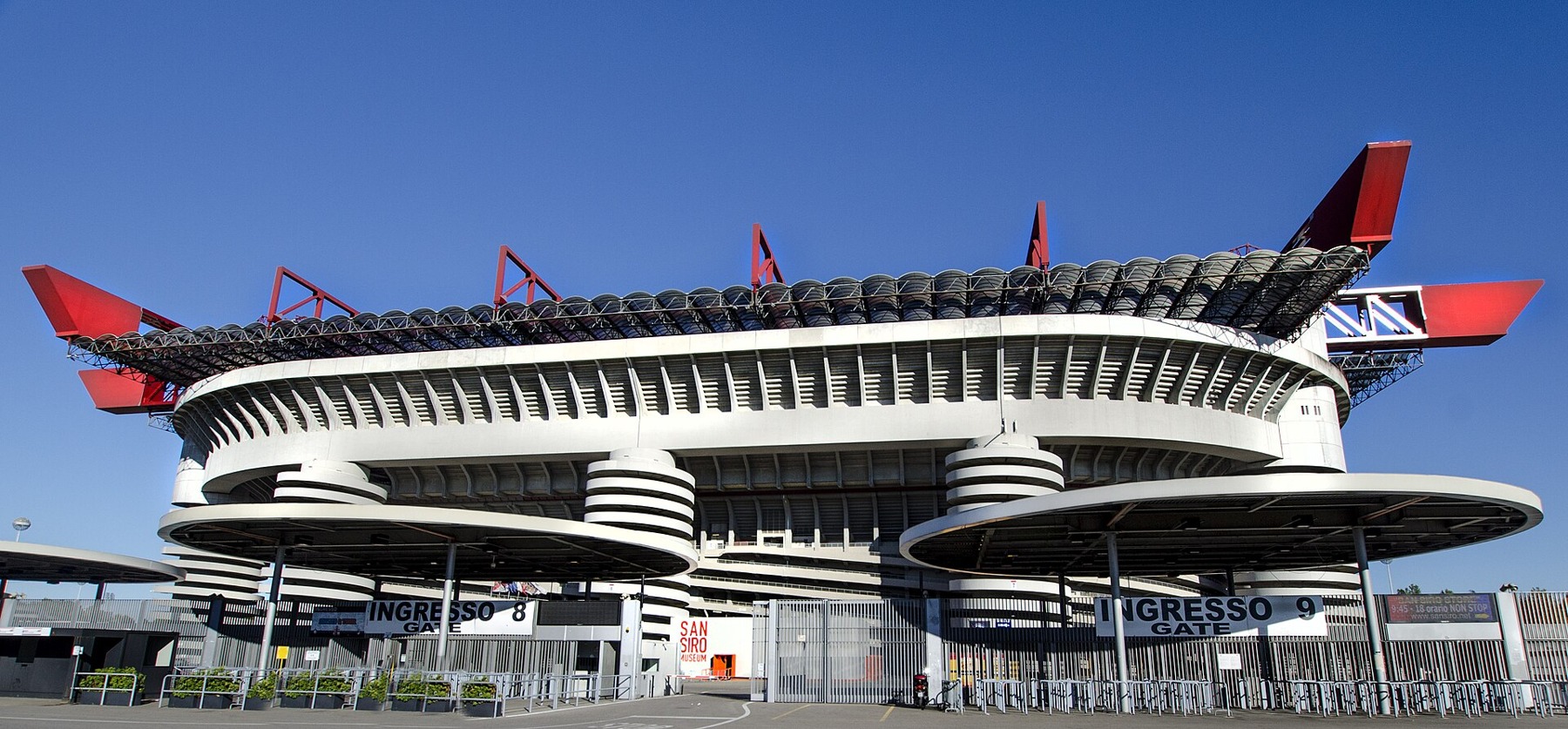
Photo: Jose Hidalgo from Punta Arenas y South Lake Tahoe, Chile y California · Public domain · Resized; uncropped.

According to Reuters, Avenue has proposed investing approximately €320 million for a 10% holding, valuing the venture at around €3.2 billion. Carlyle and Nextalia have jointly offered around €650 million for 17%, valuing it at approximately €3.75 billion. No investor has been selected.
The structure of the offers appears to be influencing the process as much as the headline valuations. Reuters reported that Avenue is favoured partly because its proposal is structured as common equity without special protections over future cash flows. Its offer would leave the clubs owning 90% of the new company, compared with 83% under the Carlyle-Nextalia proposal, while the rival consortium would inject an additional €330 million immediately.
The company would control Serie A's international broadcasting, sponsorship and betting-rights business. UEFA figures cited by Reuters put the league's international media income at approximately €250 million annually, still well behind the Premier League and LaLiga.
Avenue was founded by Marc Lasry and Sonia Gardner and would gain exposure to the commercial performance of an entire major European competition rather than that of a single club.
The choice facing Serie A is therefore broader than €650 million versus €320 million. A higher upfront valuation can be accompanied by terms that alter the distribution of future returns, while ordinary equity leaves more of the commercial risk with the investor. The clubs must decide how much immediate capital they want to realise against how much future income and flexibility they are prepared to surrender.
Any agreement requires support from at least 14 of Serie A's 20 clubs. Governance, dividend rights, investor protections and influence over future rights negotiations will ultimately determine the economics of any final deal.
Arsenal Targets £5–7 Million of Savings as 60 Jobs Come Under Review
Arsenal are preparing to cut up to 60 positions following a review, as the club seeks to reduce costs outside its core football operation despite record revenues and sustained investment in the team.
The proposed reductions are expected to generate annual savings of approximately £5 million to £7 million. Staff were informed last week, with a consultation process under way and redeployment being considered where possible.
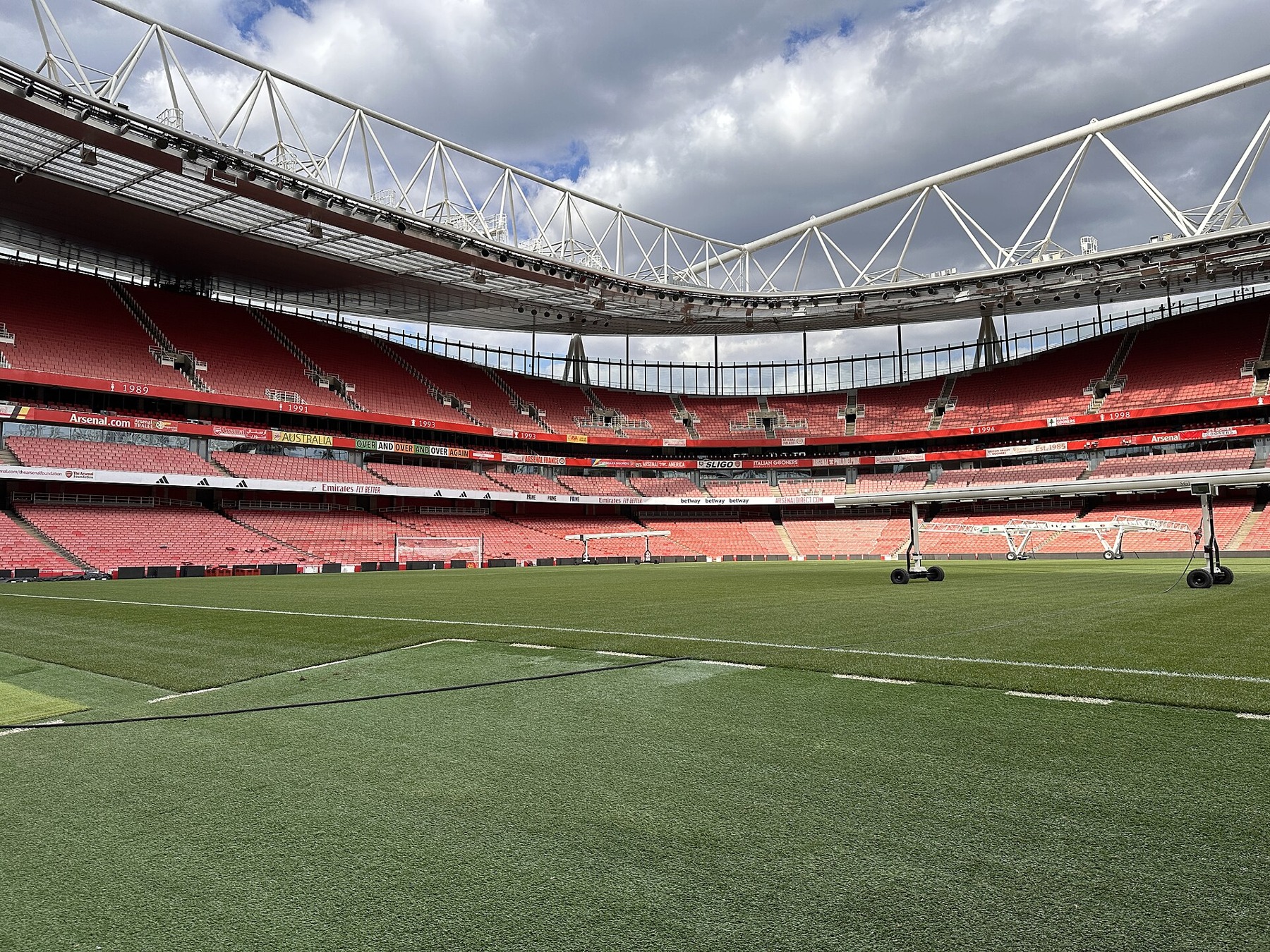
Photo: Matt Brown · CC BY 2.0 · Resized; uncropped.

The review was commissioned before the end of last season and has focused predominantly on non-football operations. First-team coaching and performance staff, the academy, Arsenal Foundation, community operations and site security are among the areas excluded from the planned reductions.
The restructuring comes during a period of strong revenue growth. Arsenal reported approximately £691 million of revenue for 2024/25 and a pre-tax loss of around £1.35 million, while Champions League participation and commercial growth increased income. Other operating costs also rose sharply, from roughly £148 million to £200.8 million.
The changes sit alongside a broader reshaping of Arsenal's leadership. Omar Shaikh was promoted in September to become the club's first Chief Revenue Officer, joining the executive team with responsibility across partnerships, ventures, commercial venue operations and retail.
On the football side, Andrea Berta has been sporting director since his arrival from Atlético Madrid in 2025, overseeing recruitment and squad building alongside Mikel Arteta and the wider football leadership.
Arsenal have also changed their medical leadership. Former Portuguese Olympic sprinter Arnaldo Abrantes joined from Aston Villa during the summer as Head of Medical Services, replacing Zafar Iqbal. Abrantes previously led medical services at Villa and held medical and performance responsibilities at Nottingham Forest.
Chief executive Richard Garlick, who moved into the role in 2025 after previously serving as managing director and director of football operations, is overseeing the wider organisational transition. The £5-7 million of proposed savings is modest relative to Arsenal's total revenues but more meaningful against the corporate cost base.
The timing has attracted scrutiny because the restructuring follows sustained squad investment and a new contract for Arteta. Arteta said last week that the exercise had been explained to him as part of efforts to improve the organisation and ensure resources continued to support future success.
The combination of Shaikh driving revenues, Berta overseeing sporting investment and Abrantes strengthening medical performance, alongside reductions elsewhere, points towards a more concentrated structure around the functions Arsenal believe can have the greatest impact on revenue and results.
Como’s €300 Million Climb From Serie D to the Champions League
Como 1907 have needed little more than seven years to move from Serie D to the Champions League, an ascent underwritten by the Hartono family but built around one of the more creative operating structures in European football.
The club was in Serie D when it was acquired by SENT Entertainment in April 2019. Como reached Serie C immediately, won promotion to Serie B in 2021 and returned to Serie A in 2024 after a 21-year absence. Cesc Fàbregas then guided the promoted side to tenth before an extraordinary second-season improvement secured Champions League qualification.
The transformation has required substantial capital. Calcio e Finanza calculated total owner-related support and outlay at approximately €297.4 million through November 2025, the large majority coming through capital contributions and increases.

Como 1907's 2024/25 accounts showed revenue of approximately €55.4 million, up from €9.8 million in Serie B, alongside a net loss of roughly €105 million. Personnel costs rose from €33.5 million to €85.6 million as the squad and wider operation were rebuilt for Serie A.
The project has involved considerably more than ownership capital and Fàbregas. Carlalberto Ludi, sporting director since 2019, has been one of the constants throughout the climb and recently extended his contract until 2028. President Mirwan Suwarso has described Ludi as the link between recruitment, player development, performance, strategy and the first team.
Francesco Terrazzani, the club's chief executive, oversees the wider organisation, while Chris Galley leads strategy and data analytics across SENT Entertainment and Como, embedding data into recruitment and football planning.
Como have concentrated heavily on young players with development and resale potential. Nicolás Paz, Assane Diao, Martin Baturina, Jesús Rodríguez and Jacobo Ramón are obvious examples, supplemented by selected experienced additions. Ludi, Galley and Fàbregas operate within an integrated football structure, with Suwarso describing Fàbregas as the club's "football CEO".
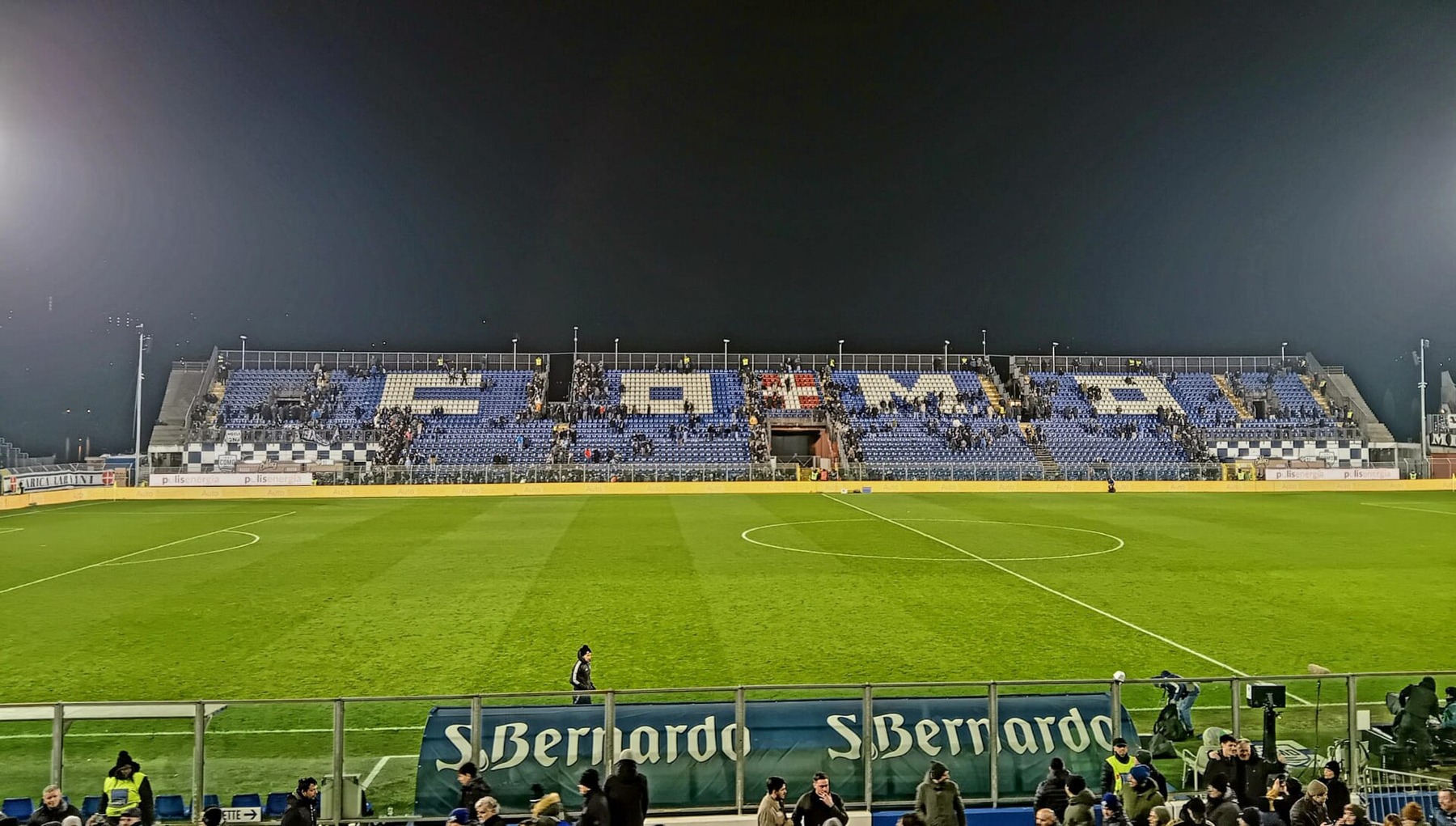
The commercial operation has developed just as aggressively. Como cannot rely on the domestic fan bases available to Milan, Inter or Juventus, while the Giuseppe Sinigaglia holds only around 13,000 spectators. The club has instead attempted to monetise Lake Como itself and the millions of international visitors attracted to the region.
C. Ryan Shelton has recently been promoted to Chief Business Officer, while Alex Rasmussen has joined from Ferrari as Chief Revenue Officer after previous commercial roles at AC Milan and FC Copenhagen. Rasmussen leads commercial strategy, long-term partnerships and international growth.
Sponsorship, commercial and royalty revenues increased from approximately €652,000 in 2023/24 to €5.78 million in 2024/25. Como now sells hospitality and travel packages combining matches with luxury accommodation and tourism services, while Suwarso has said conventional football shirts account for only around 40% of merchandising revenue.
Revolut became front-of-shirt sponsor for 2026/27 and Uber extended its relationship as Como increasingly positioned themselves across football, tourism, luxury and technology.
The Hartono family's capital made the acceleration possible, but Como have also built a specialised leadership structure spanning recruitment, analytics and commercial development around the global appeal of Lake Como.
FC Copenhagen’s Owners Explore a Sale After Rejecting Earlier Investor Approaches
The shareholders behind FC Copenhagen have opened a formal process to explore the club's future ownership, with PARKEN Sport & Entertainment appointing Tifosy Capital & Advisory as exclusive financial adviser to examine a partial or complete disposal of the football operation and potentially its stadium and associated property assets.
The October 13 announcement follows at least two previous investor approaches within the past year, according to Copenhagen Sundays. Those approaches were rejected before meetings or formal negotiations after the price indications were considered unattractive. PARKEN is now running a structured review, with chairman Henrik Møgelmose overseeing the process.
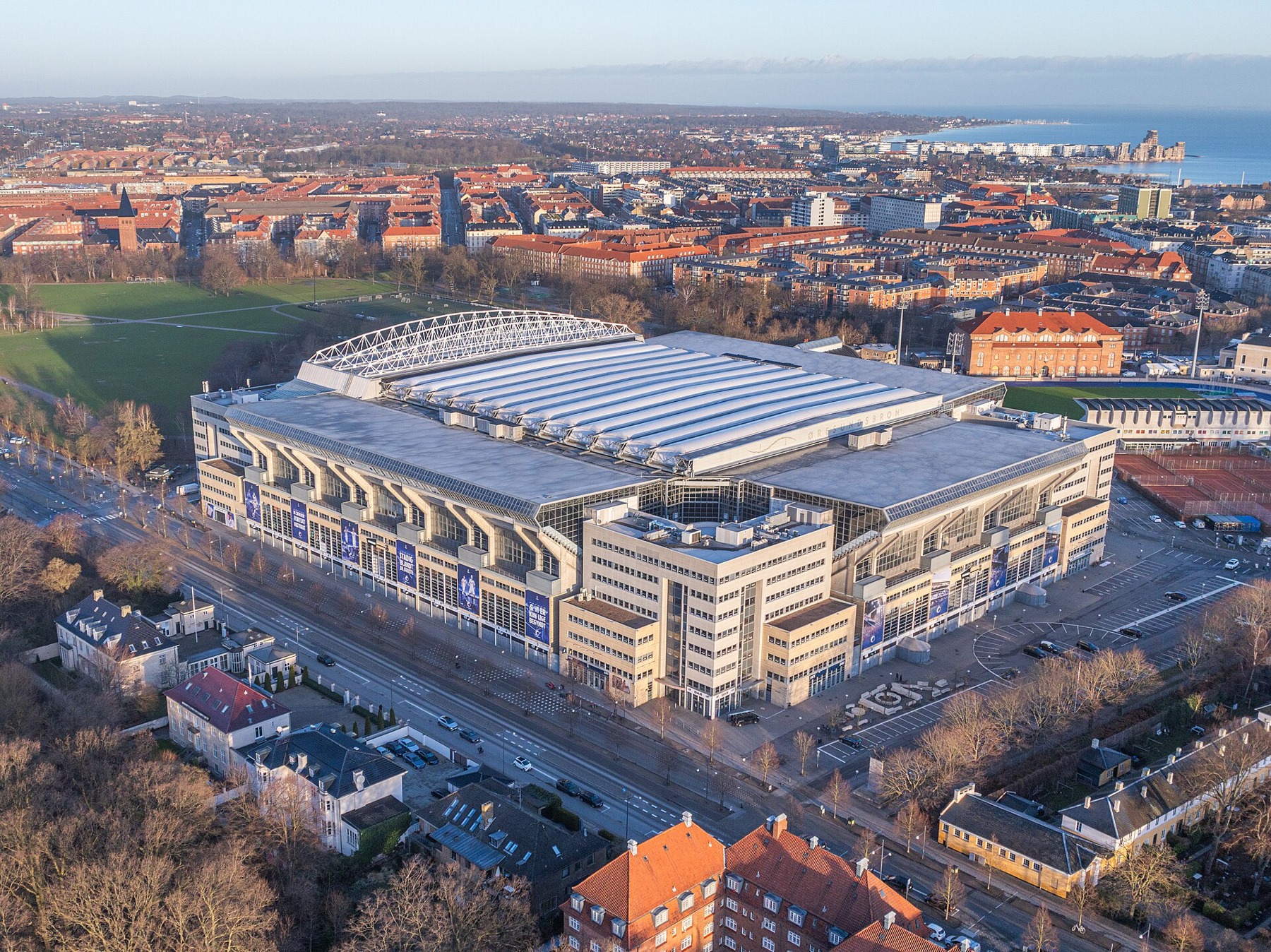
Photo: Arne Müseler · CC BY-SA 3.0 de · Resized; uncropped.

The group's principal shareholder interests include Erik Skjærbæk, the Korsgaard/Sørensen family and Lars Seier Christensen.
Player trading has become one of Copenhagen's clearest sources of value. PARKEN's 2024 accounts recorded a DKK 167.4 million result from transfer activities, up from DKK 63.6 million in 2023, following a sequence of high-value exits.
Orri Óskarsson's move to Real Sociedad was described by Copenhagen as a club-record sale. Spanish newspaper AS reported a €20 million guaranteed fee plus €3 million in variables, with Copenhagen retaining 20% of a future sale. Galatasaray separately disclosed a €9 million fee for Elias Jelert, who had joined Copenhagen's academy aged 11.
Those exits followed other major moves. Academy product Victor Kristiansen joined Leicester City in January 2023, while Hákon Arnar Haraldsson, recruited from Iceland at 16, moved to Lille later that year after progressing through Copenhagen's development system.
The model continued in 2025. Victor Froholdt, who spent seven years at Copenhagen, joined FC Porto in a transaction reported at €20 million plus up to €2 million in bonuses, with Copenhagen retaining a percentage of the capital gain on a future sale.
Swede Roony Bardghji, who joined the academy aged 14, also moved to Barcelona that summer. His fee was reported at around €2 million plus incentives, reflecting the fact that his Copenhagen contract was due to expire at the end of 2025. He nevertheless provided another example of the club developing a teenager into a player capable of moving directly to one of Europe's largest clubs.
Copenhagen has established a repeatable route from academy or early-stage recruitment into the first team, European competition and eventual moves to clubs including Barcelona, Porto, Real Sociedad, Leicester City, Lille and Galatasaray.
PARKEN Sport & Entertainment also contains PARKEN Services and PARKEN Ejendomme, which owns Parken Stadium and adjoining office towers. The property business does not have to be sold alongside the football operation, allowing structures ranging from a minority investment in the club to a broader acquisition incorporating stadium and real-estate assets.
No target valuation or prospective buyer has been disclosed, and PARKEN has stressed that the review may not result in a transaction.
Getafe’s Failed Uche Transfer Forces €13.5 Million Owner Intervention
Getafe CF chairman and largest shareholder Ángel Torres has extended a €13.5 million participative loan to the LaLiga club after the anticipated permanent transfer of Christantus Uche to Crystal Palace failed to generate the expected income.
Financial information reported by 2Playbook on October 19 shows that Getafe closed 2025/26 with losses of approximately €14 million and returned to a negative net-equity position.
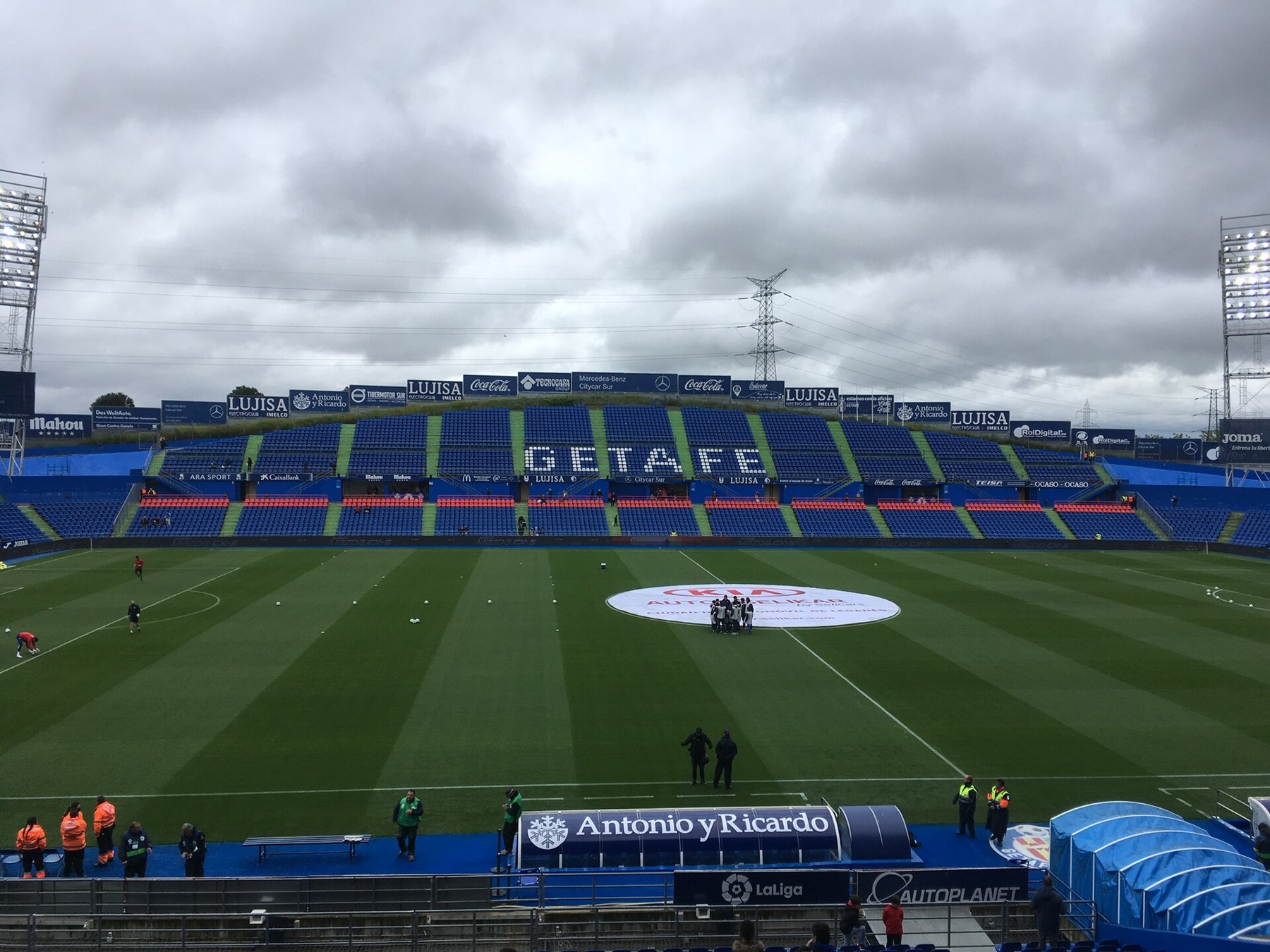
Photo: Vincenzo.togni · CC BY-SA 4.0 · Resized; uncropped.

Uche moved to Crystal Palace on loan in summer 2025 with a mandatory purchase option subject to conditions. Spanish reporting subsequently identified the trigger as ten Premier League starts, which would have activated a transfer worth approximately €20 million. Uche did not reach the threshold and returned to Getafe.
The failed transaction had already affected Getafe's financial planning during the season. Player trading remains an important part of the club's business model, and Getafe moved from a loss of around €1.7 million in 2024/25 to a deficit of roughly €14 million a year later.
Torres has responded with the €13.5 million participative loan, although its maturity, interest provisions and other contractual terms have not been publicly disclosed. The financing is almost equal to the annual loss but does not erase the accounting deficit, instead providing direct shareholder support to the club.
The intervention also comes while Getafe are undertaking a major redevelopment of the Coliseum. Construction began in June 2025 and is proceeding on an estimated 30-month schedule, with plans including increased capacity, covered stands, new hospitality areas and other commercial improvements.
The Uche episode provides an unusually clear example of how the failure of one anticipated player sale can materially alter the finances of a club whose revenue base remains much smaller than those of LaLiga's largest teams.
Oaktree Faces Renewed Qatari Interest as Inter Milan’s Ownership Evolves
Reports of prospective Qatari investment in Inter Milan have resurfaced, with Italian media identifying Al-Mirqab, the family office associated with Hamad bin Jassim bin Jaber Al-Thani, as a possible minority investor in the club controlled by Oaktree Capital Management.
According to Tuttosport, as relayed by InterNews24 on October 17, Al Mirqab has expressed interest in acquiring a minority position. The contacts are described as purely verbal, with no formal negotiations under way. The same reporting says Oaktree is not considering surrendering control but is open to transactions that would leave it as majority owner.
Inter president Giuseppe Marotta subsequently addressed the reports in comments to DAZN. He said ownership decisions sit outside his responsibilities but praised Oaktree's investment in the club and its role in improving Inter's financial position.
Oaktree assumed control in May 2024 after Suning failed to repay approximately €395 million owed under financing secured against its ownership interest in Inter.
The club's latest accounts provide evidence of the subsequent financial improvement. Inter reported €518 million of revenue and a €22.7 million net profit in 2025/26, its second consecutive profitable year. Shareholders' equity returned to positive territory at €10.4 million, while financial expenses fell by approximately 50% following the refinancing completed during the previous year.
Any minority investment could have very different consequences depending on its structure. A sale of existing shares by Oaktree would principally monetise part of the owner's holding, while a primary issuance of new shares could introduce additional capital directly into Inter. No structure of that kind has been confirmed in the current reporting.
The reported involvement of Hamad bin Jassim is notable but remains preliminary. There is no confirmed offer, valuation or proposed ownership percentage, while Oaktree remains firmly in control of Inter alongside president Giuseppe Marotta, who acquired a stake of close to 2% in 2025.
Any prospective investor would also have to assess the club's participation in the proposed new San Siro development and its wider infrastructure programme. For now, the Qatari interest should be treated as an early-stage ownership discussion rather than an active sale process.
Liked this?
Get the next issue in your inbox.
Free, twice a week.